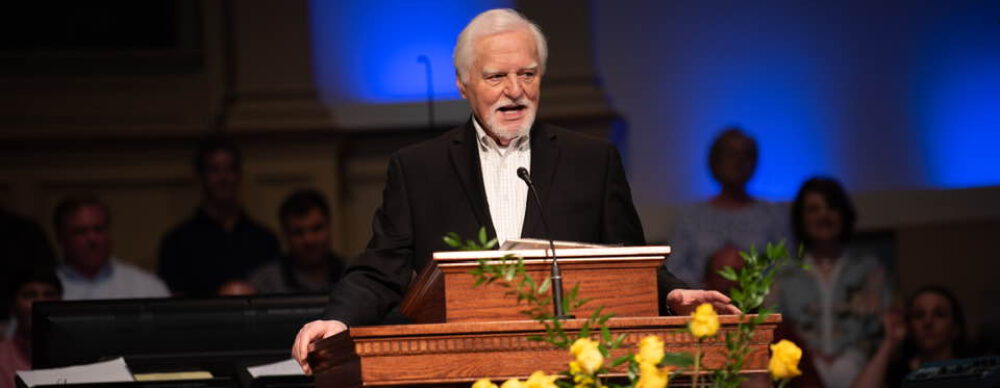
“So, how are things in New Orleans?” I was asked several times Sunday. I was the guest preacher at the First Baptist Church of Andalusia, Alabama, some five hours from my house. From similar situations in other churches I have learned to come up with a quick answer to that question. Even assuming they have a real interest in the rebuilding of this city, no one has time for an in-depth 30 minute monologue.
“Anything you say about New Orleans right now is true,” I tell the questioner. “Parts of the city are lovely and prospering. Parts are being rebuilt, and some of the city looks awful, like a bomb has gone off. We used to have 135 churches. One month after Katrina, we had 35 still operating. Today, we have 100, some of them brand new, some prospering, and some struggling.”
The response to that is generally the same. “Oh, well, then you’re doing great, sounds like.”
I say, “Yeah. We’re doing great. Thanks for asking.”
Nothing snide about that answer. It’s the truth, assuming one also understands that the rebuilding of this city will continue for another quarter-century barring any further hurricanes.
In the days following Hurricane Katrina, when floodwaters were inundating most of this city and St. Bernard Parish, the awful phrase we heard again and again was “toxic soup.” It referred to the fears that the liquid under which our city was drowning was not just water, but a stew of water plus oil and sludge and who knows what else. Experts led us to fear about the health of the city after the water receded and we were able to re-enter.
Now, we learn there was no “toxic soup.”
In fact, the EPA has said the contamination of the city’s soil “did not get any worse from Katrina.” Which begs the question, of course. Just how toxic was the soil before the hurricane?