Sometime in the early 1970s–before the technology revolution put a camera on everyone’s phone and a phone in everyone’s pocket–I had some extra money and called my sister Carolyn in Jasper, Alabama.
“I want you to find a photographer and send him up to see Mom and Dad. Tell him to follow them around and take lots of pictures. I’ll buy a lot of black and white 8 by 10s from him.”
The result is an album of photographs of Mom and Dad, with him on the tractor and her taking him water, her working in the kitchen, and so on. It was not the album I had envisioned, because they knew the guy was coming and dressed up too much for it. I wanted them in everyday clothes, acting normal, looking like they always do. Most of the photos seemed posed, but even so, I’m glad to have it.
That day the photographer said something to my sister I will never forget. “Your brother is so smart to do this. My father died recently and I don’t have one picture of him.”
And him a professional photographer. I confess to being shocked by that.
In 1979, I had some more extra money. (I get some about once every decade.) On an airplane with a lot of missionary-types–we’d been at some meeting of the International Mission Board–I approached a photographer on the staff and said, “I have $400 to buy a camera. I don’t know the first thing about them. What should I buy?”
He and a colleague conferred briefly, then said, “An Olympus OM-1.” And that’s what I bought.
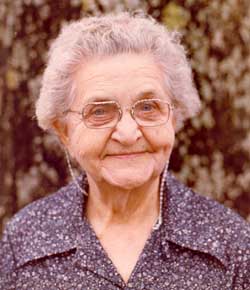
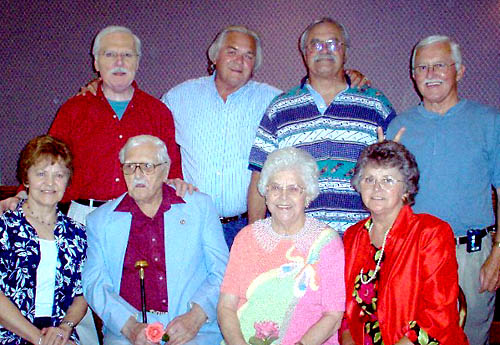
Over the next 10 years, I took pictures at every family gathering, and every time I went home to see the folks. I shot pictures of our kids and grandchildren, and some of them really turned out well. I learned quickly something that serious photogs know: if you get one really great shot from a roll of film, you have beat the odds.
Anyway, that’s how I happen to have a lot of unposed, great photos of my parents and siblings and children and grands today. That camera disappeared in 1990 when someone stole my car from in front of First Baptist Church-Kenner. We recovered the car, but the camera was gone. State Farm more than compensated me for its loss, but by then Olympus was no longer manufacturing that camera. I went to a Canon EOS Rebel–the type with a little Japanese scientist inside. Problem is, I don’t speak Japanese. The point of that is I never got my rhythm back for shooting family pictures with this high-tech camera.
And don’t get me started on digital cameras. The battery runs down every day or two. I store the pictures, then don’t get them printed out and end up losing them.
Okay, enough of that. Then there is one more thing I wanted to mention to you about honoring your loved ones.