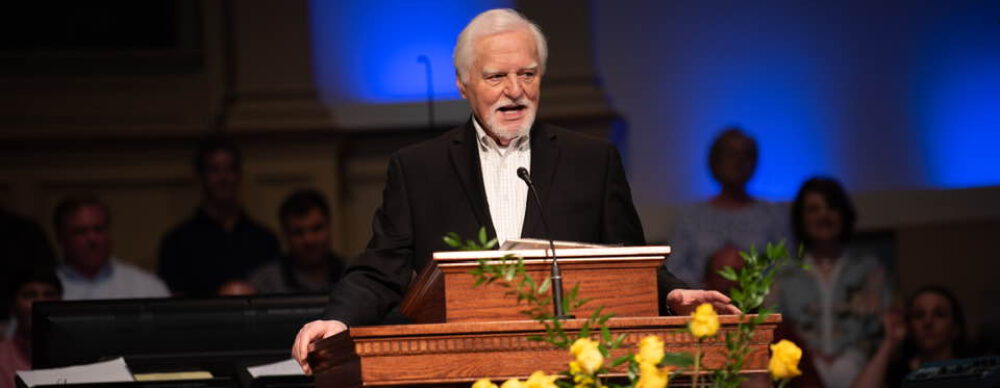
I was 30 years old and had left my first post-seminary pastorate to join the staff of the largest church in the state. My title was “Minister of Evangelism,” although some of my closest buddies kept pronouncing it as “Vandalism.”
Once in a while, the pastor let me preach in his absence. It was a heady experience.
The church I had just left ran slightly over 200 in attendance. The new congregation was over seven times that size, and was peopled with an entirely different kind of human beings. The governor was a deacon, a previous governor sat on the front pew, the state denominational leadership could be found throughout the sanctuary, and television cameras beamed the live broadcast across the state.
The first time I preached in the pastor’s absence he had come down with a cold and called me the night before. “Be ready to preach,” he said. “Just in case.” The next morning, his wife called. “You’ve got it.”
That day, a dozen people joined the church.
Leaders told the preacher, “From now on, when you see you’re going to be out of town, there’s no need to bring in guest preachers. Joe can handle it.”
And that’s when it began to happen. That snare that traps all assistant pastors at one time or the other began to be set for me.
One day, I found myself sitting in the office of the editor of our state denominational weekly. He was encouraging me. He liked my kind of preaching. My sermons, he assured me, were more biblical than the pastor’s. More meatier, more edifying.
I floated out of his office thinking I must be one of the best preachers in the state if that veteran leader thought so.
Not good. Not good at all.